Let’s grow through
what we go through
Blog Introduction
This blog is my open journal where I sort and share my thoughts and ideas. A quiet place where I lay down the past, unravel the present, and grow patiently into who I’m becoming.
I write about healing, freedom, resilience, reflection, and the everyday magic of starting again at any age.
If you like raw truth, midlife reinvention, and watching someone get their shit together in real time; pour a cup of tea and stay awhile.
Naomi
- written by Naomi admin
- No Comments
Training for 96: A Love Letter to My Future Self
My friend and I were talking about getting healthier.
Two grown women having a real conversation about longevity, healthy aging, and staying strong as we grow older. We talked about energy. We talked about hormones. We talked about living a long time and actually feeling good while doing it.
Then we both said it, laughing a little but completely serious:
“I want to be an old lady.”
We meant vibrant. We meant strong. We meant steady on our feet with great posture and great stories.
That sentence stayed with me.
This is my love letter. This is my hype letter. This is my commitment to healthy aging and training for 96.
Dear 96-Year-Old Me,
You are radiant.
You are strong.
You walk into a room with steady hips, lifted posture, sparkly eyes, and calm confidence with a spicy smile.
People say, “She looks incredible, but what is she up to?”
They see vitality. They see strength. They see the result of decades of consistent self-care.
They are right.
You care for yourself with strength, confidence, and full capability.
You rise from a chair smoothly. You carry your groceries with steady arms. You move through your days with ease. You laugh loudly and often.
Your skin glows because health glows.
You look younger than 96 because vitality reads younger every single time.
You look like a woman who trained for longevity.
At 96, you stand up with ease. So today I squat while the kettle boils.
At 96, you carry your life confidently. So today I lift weights and build muscle to protect bone density and mobility.
At 96, your balance feels graceful. So today I move throughout the day with exercise snacks: stretching between tasks, dancing in the kitchen, calf raises while brushing my teeth, and mobility work during a movie.
At 96, your bones feel solid and dependable. So today I train with resistance and prioritize protein to support muscle and metabolic health.
At 96, your hormones feel steady and supported. So today I choose strength training, restorative sleep, nourishing meals, and daily movement to support hormonal health in midlife.
At 96, your mind feels sharp and curious. So today I read, write, learn, and protect deep sleep because brain health matters.
Every small action is a deposit.
Every rep is compound interest.
Every early bedtime is longevity insurance.
Why Strength, Hormones, and Mobility Matter for Healthy Aging
Healthy aging for women over 50 depends on muscle mass, bone density, balanced hormones, daily movement, quality sleep, and managing stress. Strength training supports metabolism. Movement supports joint health. Sleep supports hormonal balance. Nourishing food supports energy and glow.
Longevity is built on consistency.
Now, because every legendary old lady operates with structure, here are the official Old Lady Rules.
Old Lady Rule #1: Muscle is wealth. We build it, and we keep it.
Old Lady Rule #2: Daily movement counts. Ten squats while the tea steeps counts. One song in the kitchen counts. Stretching during a movie counts.
Old Lady Rule #3: Posture matters. We stand tall. We walk with purpose.
Old Lady Rule #4: Sleep is sacred. Deep rest supports hormones, brain function, skin, and recovery.
Old Lady Rule #5: Protein is strategy. We eat it like we understand the assignment.
Old Lady Rule #6: Hydration fuels glow and energy. Water and tea nourish the body and the soul.
Old Lady Rule #7: Curiosity keeps the brain bright. We stay engaged in life.
Old Lady Rule #8: Laughter builds beautiful lines. Joy shows on the face.
Old Lady Rule #9: Peace protects health. Calm supports longevity.
Old Lady Rule #10: We age with intention, and we age exceptionally well.
When we said we wanted to be old ladies, we were choosing vitality. We were choosing independence. We were choosing to sit in the sun at 96 with steady legs, bright eyes, strong hips, and clear minds.
I see you there already.
You look amazing.
You feel powerful.
You move with confidence.
I build you every single day through strength training, healthy eating, movement, hormonal support, sleep, and choosing peace.
One day, I will sit in that sun at 96, smile, and know this started with one simple, spicy declaration.
“I want to be an old lady.”
Now we sip warm tea. All kinds.
Disclaimer: This is personal commentary, reflection, and opinion. I don’t fact-check everything, and this is not professional advice. Please verify anything important independently and seek professional advice if needed.
Share this Article

The Art of Minding My Own Business
Let’s talk about the art of minding my own business.
Let me tell you, this art is not passive. It is not lazy. It is not indifference. It is discipline.
I am constantly practicing the fine art of focusing on the only thing I actually have control over: myself, my choices, my reactions, my boundaries, my energy, and my life.
The art of minding my own business is something I am actively practicing every single day. It is not about being passive, disengaged, or uncaring. It is about discipline, self-awareness, and learning where my responsibility actually ends. Yes, it is very difficult sometimes.
I am learning to focus on the only thing I truly have control over in life: myself.
When I am at the office, I try to sit in an office with a door or in the boardroom, far away from the noise. If there are meetings and lots of agents around, I end up sitting at a desk in the open, and that is very distracting. I need noise-cancelling headphones. This is partly because of my ADHD, which I will write about another time, but it is also because I have a hard time minding my own business.
Sometimes, well, a lot of the time, I jump into conversations and offer my two cents. Then I get less done. When I go into the office, I do not always get very much accomplished. Some of what I say is appreciated, but sometimes it is not. Okay, definitely sometimes not.
For a long time, I believed that offering advice, fixing situations, and pointing out solutions was helpful. Sometimes it was. Often, it was not. What I am slowly learning is that clarity does not equal responsibility. Just because I can see the answer does not mean it is mine to deliver.
Minding my own business means reminding myself to stop telling other people what to do and start telling myself what to do. That is where the real work is anyway. I have goals and things I want to accomplish, and now, at 52, I realize I have limited time to accomplish them.
This practice is a full-time job. It requires awareness, restraint, and a willingness to sit with discomfort instead of trying to manage someone else’s outcomes. It means catching myself when I am mentally drafting instructions no one asked for and redirecting my energy back to my own life again and again.
Most of the time, the advice I want to give others is actually a mirror. When I want someone to slow down, it is often because I need to. When I want someone to get organized, it is usually a sign that my own life needs attention. When I want someone to make better choices, rest more, speak up, or walk away, those are often the exact lessons I am working through myself.
That is where growth happens.
Minding my own business does not mean I do not care. It means I respect autonomy, mine and theirs. It means understanding that personal growth does not come from controlling situations or people. It comes from managing myself with honesty and consistency.
The more I focus on what I can control, the less chaotic life feels. The less reactive I become. The more grounded I am and the more I stay in my own lane.
Peace is not found by fixing other people. Peace is found by taking responsibility for my own thoughts, actions, and direction.
I have been working on minding my own business for years. I truly believe this is a lesson that will continue to present itself to me again and again until I fully get it, with family, friends, clients, and coworkers.
I did not really see it clearly until years ago, when I had an acquaintance who constantly tried to tell me what to do. Only then did I realize how annoying that actually was, and that realization forced me to look at myself and start changing.
Some days I am able to focus on myself. Some days I am not. My goal is to focus on myself unless my two cents are requested. This is not selfishness. If someone comes to me, I respond.
Today at the office, I hid in the boardroom to get work done. Three coworkers came in to talk to me, and I was responsive. Later, two coworkers spoke to me in the kitchen. Then there were two more in the open office area. I was responsive, but I did not initiate the conversations. I don’t want to disrupt anyone. I want to stay focused on what I am doing. However, I do want to be responsive, helpful, and collaborative with others.
I am still practicing. Still redirecting. Still catching myself before I step into someone else’s business. The art of minding my own business is not about shrinking my voice. It is about finally using it where it matters most.
In my own life.
Disclaimer: This is personal commentary, reflection, and opinion. I don’t fact-check everything, and this is not professional advice. Please verify anything important independently and seek professional advice if needed.
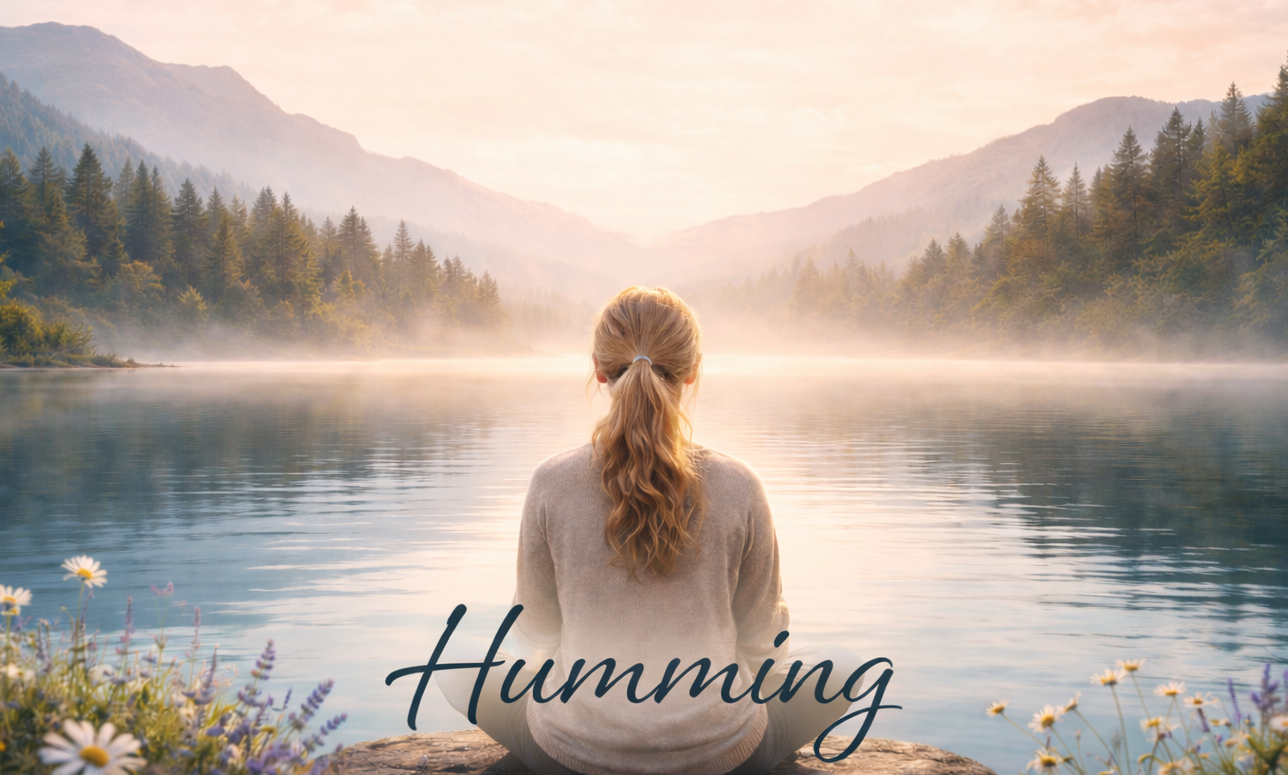
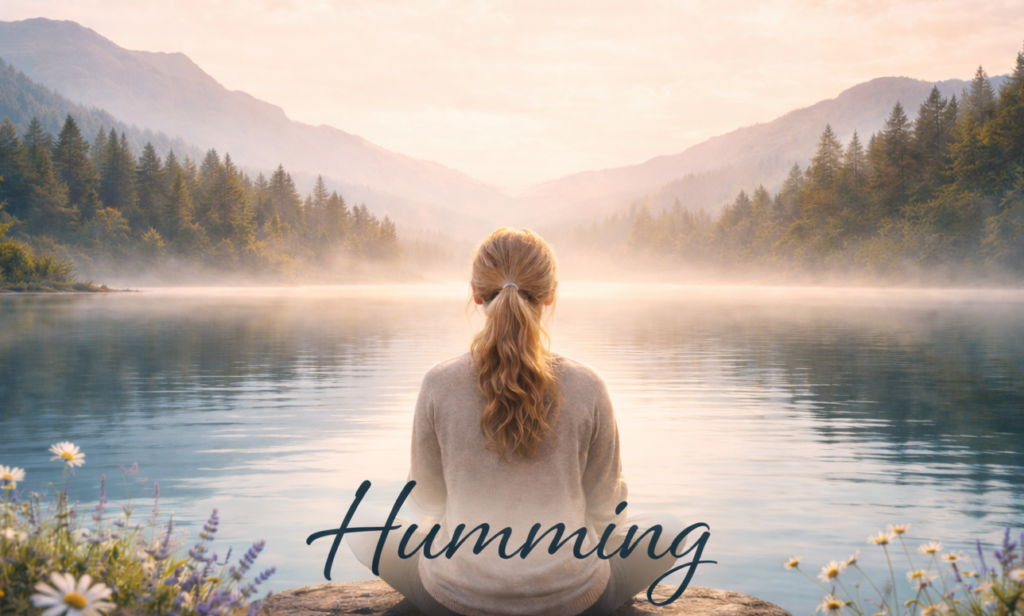
Let’s talk about the health benefits of humming.
Humming has real benefits, and best of all, it’s free.
Do you hum?
Ancient spiritual leaders have been humming for centuries. Long before supplements, apps, or guided breathwork, people understood that vibration calms the body and settles the mind.
Alright, let’s hum about this.
Not sing. Not perform. Just hum. Low and steady, like you’re a human tuning fork warming up the universe. Turns out, your body loves this stuff.
I didn’t realize how much I hummed until I was told I wasn’t allowed to.
That’s usually how it goes. You don’t notice the things your body does naturally until someone asks you to stop doing them.
For the record, I’ve always hummed. Commercials. TV theme songs. Background music in stores. Songs I don’t fully know but feel emotionally committed to anyway. If there’s a melody anywhere nearby, my body will find it. It may not be in tune.
I hum when I eat. I sing and hum along without thinking. I make involuntary noise in a lot of ways, honestly. I’ve never been particularly quiet. Hard to shut me up, and apparently impossible to stop me from humming.
When I Found Out Humming Isn’t Optional
I was working in a new group home and being trained by another staff member. One of the first things I was told was that the individual I’d be supporting didn’t like a lot of talking. I was asked to keep things quiet and only speak when necessary. Just hearing that, I already knew this was going to be hard.
He loved music, especially while driving, so we were in the car with music playing. No talking. Just driving and listening.
Then suddenly, he stopped the music.
He turned to me and told me to stop.
This happened several times before I realized what was going on. I wasn’t talking. I was humming.
I didn’t even know I was doing it.
Once it was pointed out, I tried to stop, but that turned out to be shockingly difficult. I had to concentrate hard not to hum. It felt unnatural, like holding your breath or sitting perfectly still when your body wants to sway.
Eventually, it was decided that I could work in the house with other individuals, but not directly with him, because my humming could irritate him and potentially lead to escalation.
That moment stayed with me. Not because I’d done anything wrong, but because it showed me something important.
Humming isn’t a habit for me. It’s a reflex.
Yes, it probably annoys a lot of people.
Turns Out, My Nervous System Was Onto Something
Later, I learned there’s actual science behind humming and health, which felt validating.
Humming naturally slows your breathing and lengthens your exhale. That alone helps calm the nervous system, move the body out of stress mode and into something far more relaxed and cooperative.
The vibration from humming also stimulates the vagus nerve. The Vagus nerve plays a major role in calming the body, supporting digestion, regulating mood, and creating that deeply settled feeling people spend a lot of money trying to recreate.
Humming also increases nitric oxide in the nasal passages, which supports circulation and respiratory health.
In other words, humming isn’t random. It’s regulation.
My body figured that out long before my brain caught up.
Some People Meditate. Some People Vibrate.
I don’t hum to perform. I don’t hum to be noticed. I hum because my nervous system likes it.
Some people regulate themselves through silence. Some through stillness. Some through deep breathing, long walks, or staring into space.
Some of us regulate through sound.
Humming is subtle self-soothing. It’s rhythmic. It’s present. It fills space without demanding attention. It says everything’s okay without requiring a full explanation.
Yes, sometimes what regulates one person can dysregulate another. That doesn’t make either person wrong. It just means humans come with different settings.
When I hum, my breath slows. My nervous system stops bracing for impact. My body remembers it’s safe, even when my mind hasn’t fully caught on yet.
A Completely Innocent Observation
Humming is vibration. Vibration is information. The body is an excellent listener.
We already know humming calms the nervous system, slows the breath, and signals safety. It’s rhythmic, attuned, and present. It communicates without words.
Most wellness articles politely stop there. Real life does not.
There’s a reason vibration has such a strong effect on the body. There’s a reason rhythm matters. There’s a reason presence matters. And there’s definitely a reason certain nicknames didn’t come out of nowhere.
Let’s just say when humming is involved, relaxation isn’t usually the only response.
Science may still be running studies, but humanity has been conducting hands-on research for a very long time. No charts required.
Final Thoughts
The world needs more Hummers.
We soften rooms. We regulate quietly. We add rhythm to everyday life.
Hum when you’re stressed. Hum when you’re tired. Hum when words feel like too much.
And with that…
Go find someone to hummm with.
Disclaimer: This is personal commentary, reflection, and opinion. I don’t fact-check everything, and this is not professional advice. Please verify anything important independently and seek professional advice if needed.
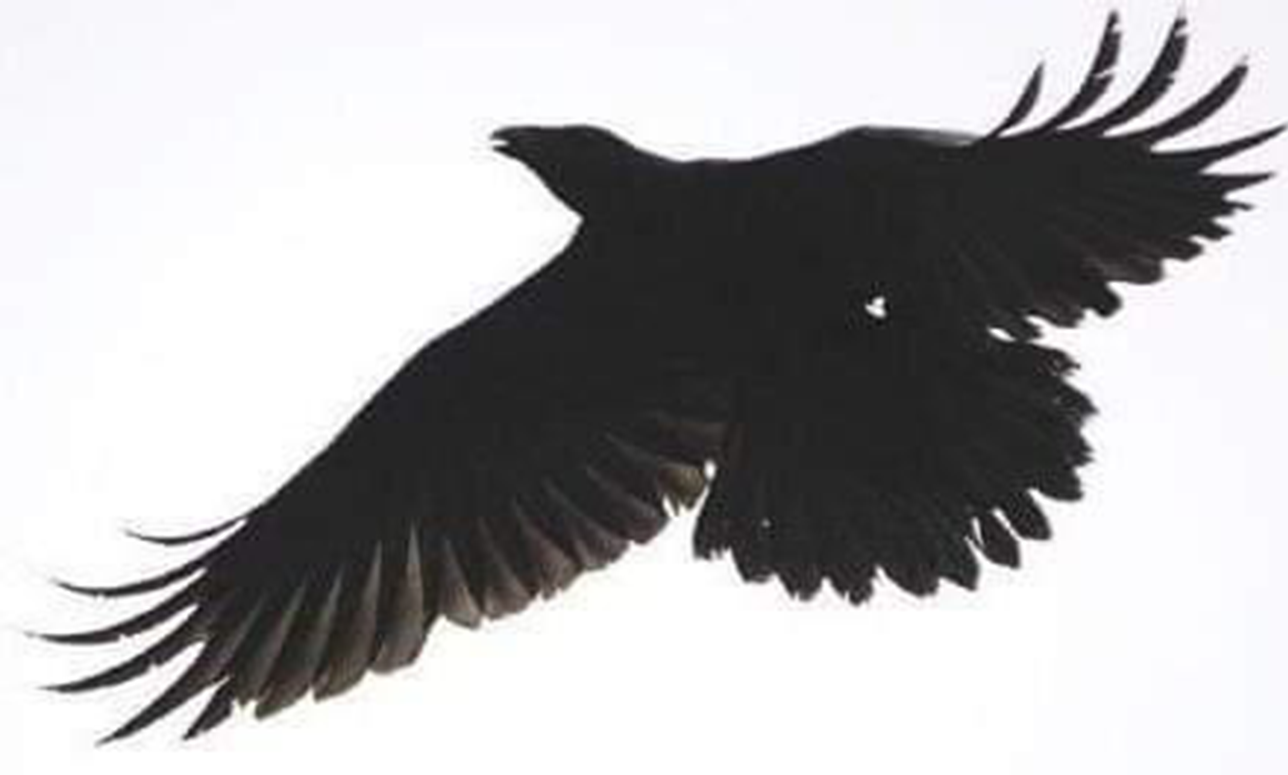
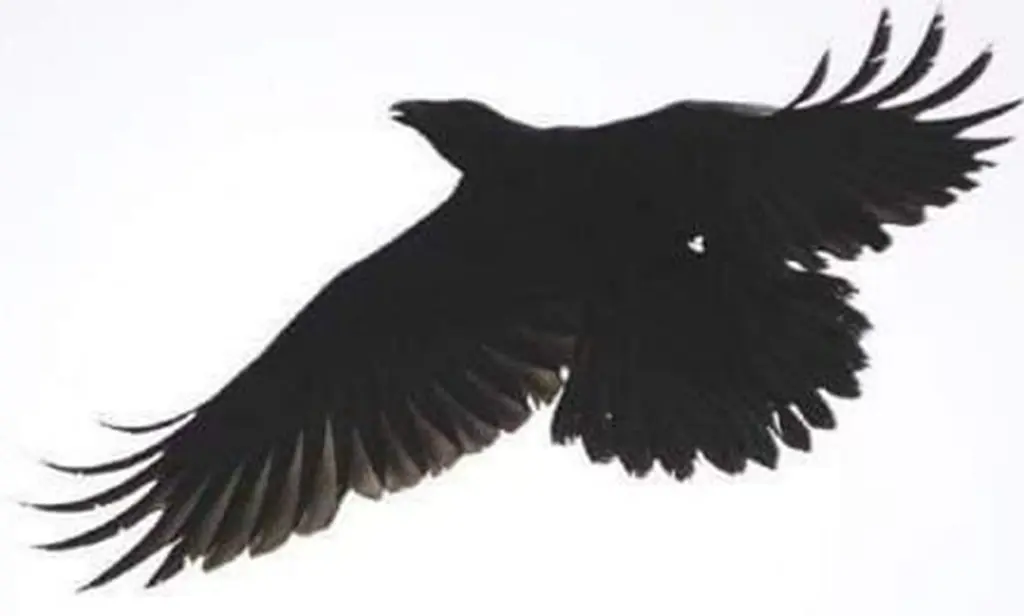
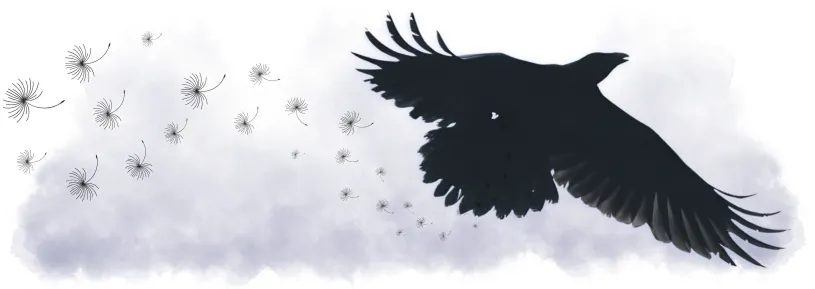
Let’s talk about the Crow picture on my Website.
Some images stay with you longer than others.
For me, it’s a photograph of a crow in mid-flight, wings stretched wide, mouth open, feathers tattered, and nothing about him perfect. That imperfection is exactly what I love most about this crow. When I first saw this image, and still now, I was drawn to everything about him. His wings aren’t pristine. His feathers aren’t smooth. He looks wild, loud, a little worn, and fully alive. It’s just a crow, common, overlooked, and often misunderstood, yet this image has followed me for almost twenty years, long before I had the language to explain why it mattered so much.
I think I do now.
Crow Symbolism: More Than a “Common” Bird
Crows have carried symbolic meaning across cultures for centuries. They are often associated with transformation, intelligence, intuition, and transition. Unlike birds that rely on pristine environments, crows thrive almost anywhere, in cities, forests, harsh climates, noise, and chaos. They adapt. They survive. They remember.
Crows are known for their intelligence and their ability to recognize patterns, faces, and danger. They form strong social bonds but will not stay where they are mistreated. They are loyal, but never captive. Symbolically, the crow represents discernment, knowing when to stay and knowing when to leave. That distinction matters.
The Meaning of a Crow in Flight
A crow in flight carries a specific meaning: transition already in motion. It is not dreaming about change or wishing for freedom. It is actively moving toward it.
A bird doesn’t wait until conditions are perfect to fly, and it doesn’t pause until every feather is pristine. Sometimes it lifts off while still healing, still adapting, and still figuring things out as it goes. That is what this image has always represented to me: movement, decision, and trust in what comes next.
Flying With a Broken Wing
There’s a story people like to tell about broken wings, that if you’re hurt, you must stay grounded, that healing has to come before movement, and that you need certainty before you leave. That isn’t always how life works.
Sometimes staying causes more damage than leaving. Sometimes, remaining in a place that no longer fits slowly erodes you. Sometimes, flight isn’t graceful. Sometimes, it’s necessary.
When I look at that crow, I don’t see perfection. I see motion. I see courage. I see the moment after fear and before freedom. I see a woman choosing herself.
The Body Knows Before the Mind Does
There was a moment in my life when I said the words out loud, “I want a divorce.” What surprised me wasn’t fear or panic; it was warmth, calm, and relief. The crying stopped, my nervous system settled, and my body knew the truth before my mind had caught up.
That’s how good decisions often feel, not easy, but right. That moment was my liftoff. My crow moment.
Why I’ve Kept This Image for So Long
I’ve carried that crow with me for years, across platforms, chapters, and versions of myself, not because it reminds me of what broke, but because it reminds me of what saved me. The ability to leave without being fully healed, the courage to trust myself, and the understanding that freedom doesn’t require perfection, only readiness.
Crows don’t ask for permission. They assess, decide, and rise.
What the Crow Has Taught Me
The crow taught me that freedom often looks messy at first, survival is a form of intelligence, leaving can be an act of self-respect, healing doesn’t have to be complete to begin again, you can rebuild while moving forward, and you don’t owe anyone your wings.
Some birds aren’t meant to be caged or stay in one place forever. Some women aren’t either.
Why the Crow Lives on My Website
That’s why the crow belongs here, on my website, in my writing, and in this chapter of my life. It isn’t a symbol of darkness or escape. It’s a symbol of discernment, transformation, and choosing freedom over familiarity.
The crow represents the moment you realize there is more for you than the life you’re living, and the courage to act on that knowing. Sometimes the bravest thing you can do is spread your wings and fly anyway.
Disclaimer: This is personal commentary, reflection, and opinion. I don’t fact-check everything, and this is not professional advice. Please verify anything important independently and seek professional advice if needed.
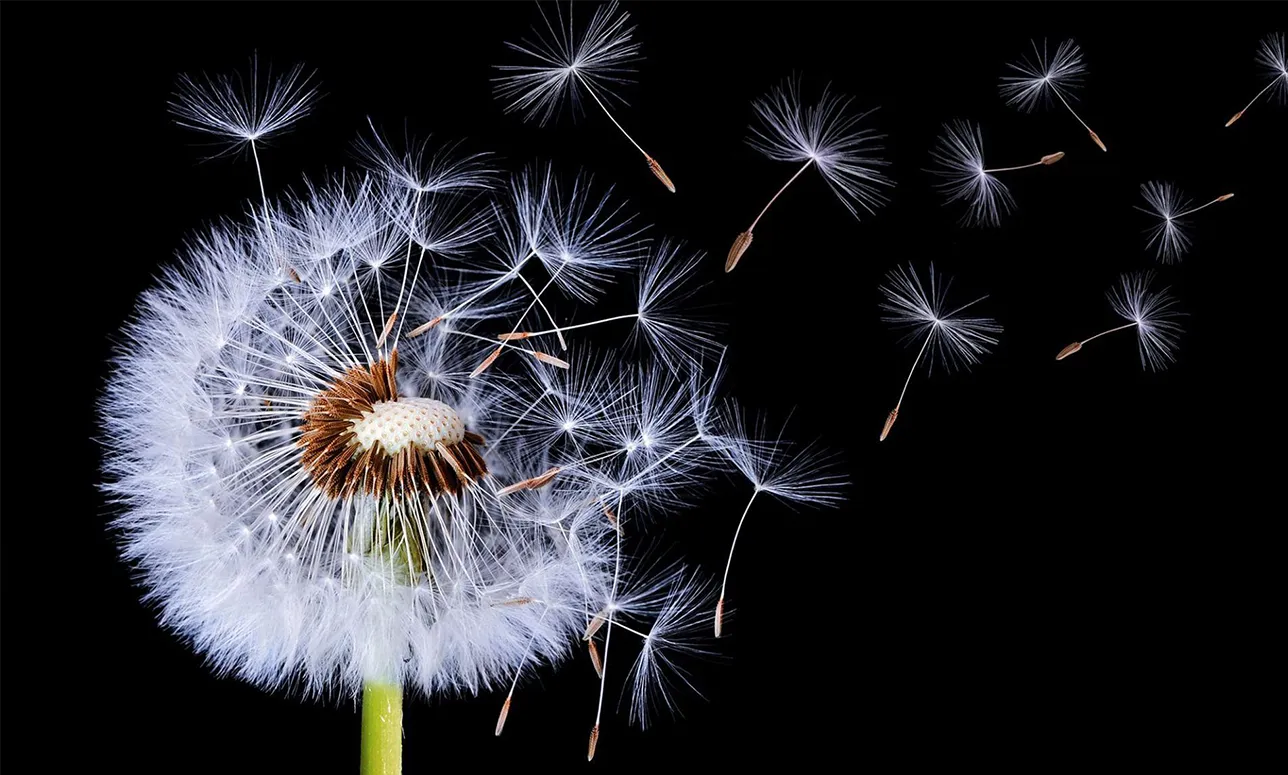
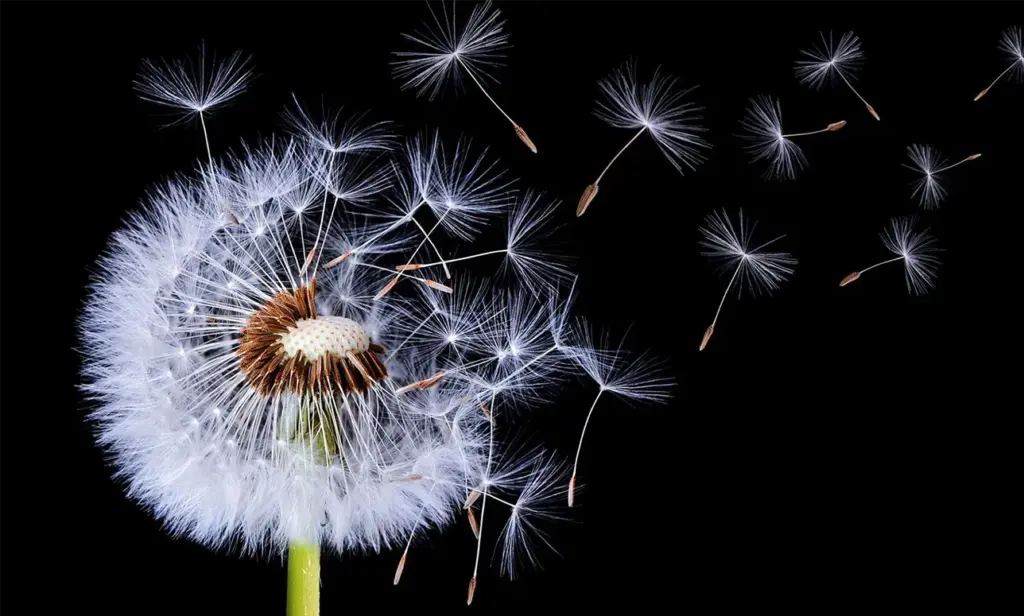
Let’s talk about why the dandelions are on my website on purpose. Not because they’re trendy. Not because they’re pretty in a polished, rose-garden kind of way. They’re there because they tell the truth. I love them and their symbolism.
I have loved dandelions since I was a little girl running barefoot in the backyard, picking dandelions in a sundress. I still want to do that. I loved getting my kids to pick them for me, too. Little hands offering something simple and bright, without ceremony or expectation.
Dandelions don’t ask to belong. They don’t wait to be invited. They grow anyway, through cracks in sidewalks, along fence lines, in places most things wouldn’t survive. People call them weeds, try to erase them, and curse them for coming back. Yet still, they return over and over again.
That persistence matters to me.
Dandelions remind me that resilience is beautiful, but sometimes it’s messy. Sometimes it’s inconvenient. Sometimes it grows where no one planned for it to be, but it grows all the same.
The Weed With a Bad Reputation
Somehow, dandelions got labeled a problem. Lawns want perfection, uniformity, and control. Dandelions refuse all three. They pop up bright and unapologetic, disrupting the aesthetic.
But here’s the thing. Dandelions weren’t always the villain.
They were once planted intentionally, valued, and used. Every part of the plant, from the root to the leaf and flower, served a purpose. They were gathered for food, medicine, and nourishment long before they were sprayed with chemicals and written off as disposable.
That shift feels familiar. How often do we label something useless simply because it doesn’t fit the system we designed?
Quiet Medicine
Dandelions are known for supporting digestion and the liver. They help the body clear what it no longer needs. They don’t force detox. They assist it gently, steadily, and patiently.
That feels symbolic too. Healing doesn’t always arrive loudly. It often comes quietly, doing its work in the background, asking only for time and consistency. Dandelions don’t rush the process. They trust it.
They remind me that growth doesn’t have to be aggressive to be powerful.
The First to Feed
In early spring, when almost nothing else is blooming, dandelions show up. Bees rely on them. Pollinators depend on them. They provide nourishment when resources are scarce.
They are first responders.
There’s something deeply meaningful about being the one who shows up early, especially when no one is clapping yet. Dandelions don’t wait for perfect conditions. They meet the moment as it is.
That kind of usefulness, the quiet and foundational kind, is undervalued, but it’s essential.
Seeds, Stories, and Letting Go
We’ve all blown on a dandelion seed head at some point, making a wish and watching the seeds scatter into the air. It looks delicate and almost whimsical. Each seed carries intention, possibility, and a future location it hasn’t seen yet.
Dandelions don’t cling. They release.
There’s wisdom in that. Not everything we grow is meant to stay where it started. Some things are meant to travel. Some stories are meant to spread. Some chapters end not because they failed, but because they finished their job.
Why They Belong Here
There are dandelions on my website because this space is about real life. Growth that isn’t linear. Healing that isn’t Instagram-ready. Strength that doesn’t ask for approval.
This is a place for rebuilding after being uprooted. Learning from what survived, not just what succeeded. Honoring resilience without romanticizing the struggle.
Dandelions don’t pretend life is soft. They just prove survival is possible anyway. They don’t bloom for applause. They bloom because that’s what they do.
Maybe that’s the whole lesson.
One of my exes always said I always had one foot out the door and was ready to go, but really, I was ready to grow. However, being married or in a relationship, I found it very difficult to grow.
Disclaimer: This is personal commentary, reflection, and opinion. I don’t fact-check everything, and this is not professional advice. Please verify anything important independently and seek professional advice if needed.
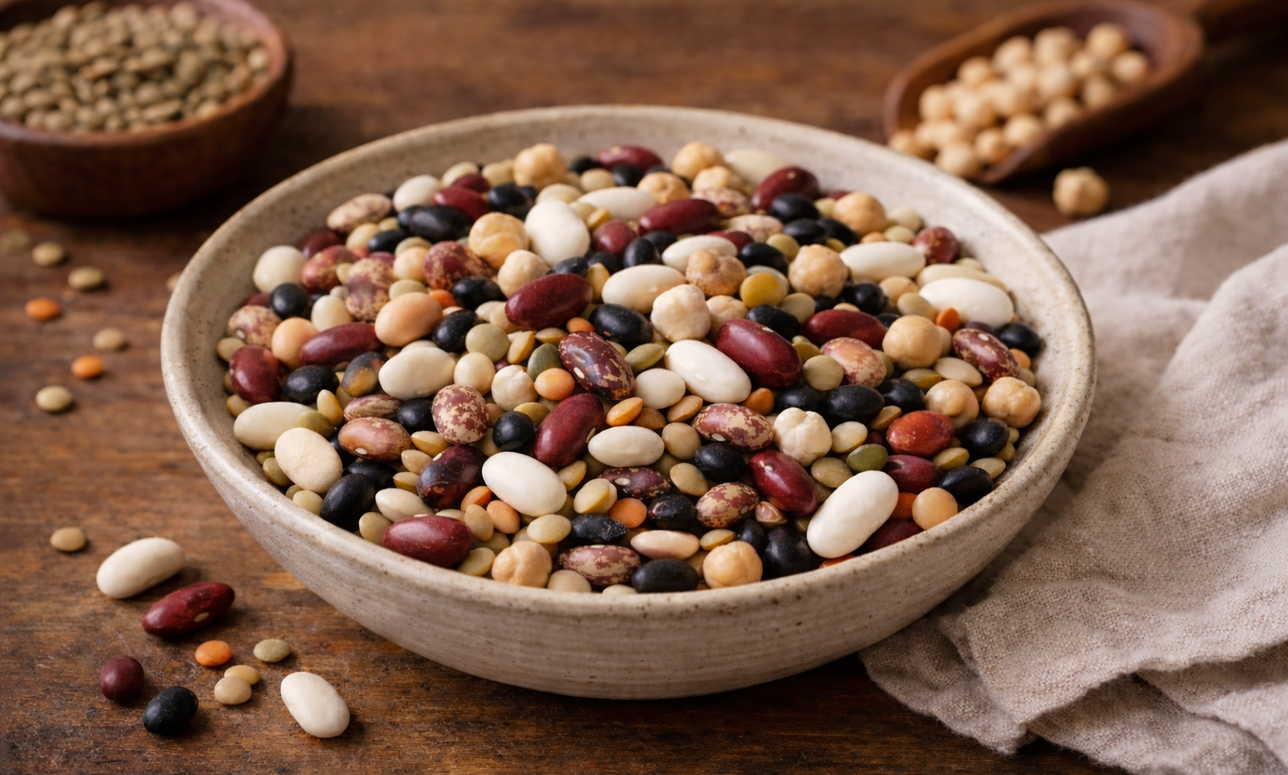
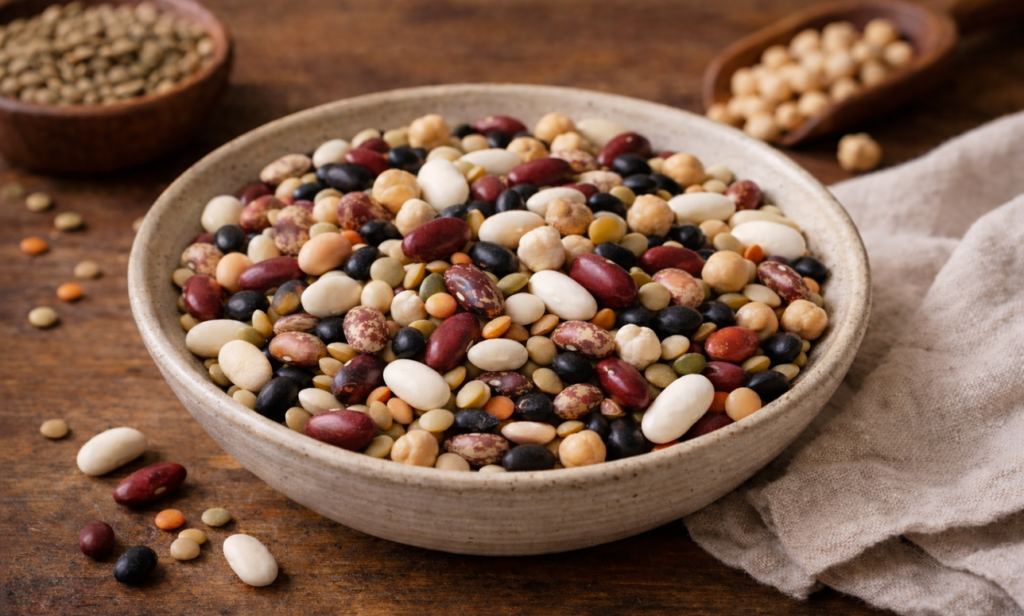
Somewhere along the way, beans got a bad reputation, but boy, are they coming back strong. I’ve been on the bean side of TikTok lately, and I must say, I am fully here for it.
Beans used to be the punchline of jokes. I can still hear my Grandpa joking about them. Beans were the food people apologized for eating. The thing we pretend we don’t like until we’re tired, hormonal, inflamed, or broke. Then suddenly, beans become a lifeline.
I’ve always loved beans, even as a young child. I loved it when my mom made chili so much that I learned how to make it myself at a very young age. When my mom wouldn’t make it, I would cook it on my own or with my brother, who was only sixteen months older than me.
I remember being in Grade 1, making chili with my brother, cutting mushrooms, onions, and green peppers, and slicing my finger badly. I had to go to the hospital to get stitches. I almost cut my finger off if it weren’t for the bone I hit. I still have the scar today.
As a kid, and still now, I loved canned beans in sauce with molasses. Simple, comforting, and familiar.
My mom also used to cook butter beans with leftover ham. I never tried them back then because I didn’t like the smell. She loved them and always cooked them after a ham dinner. I loved the ham dinner, but when she cooked those beans for hours afterward, I wanted to move out of the house. That said, I would absolutely try butter beans now, just not with ham.
I live with my son and daughter-in-law now, and they are vegetarians. I agreed not to cook or even bring meat into the house. Eggs, dairy, and honey are allowed, so I’ll cook and eat meat elsewhere. This has actually given me the perfect opportunity to experiment with beans and legumes in many different ways.
I didn’t set out to become someone who talks about beans this much, but midlife has a way of humbling you. Perimenopause cracks you open, shakes your hormones like a snow globe, and forces you to look at food differently, not as comfort or control, but as support.
Beans showed up quietly. No flashy marketing. No superfood hype. Just steady, grounding nourishment that asks for very little and gives a lot back. When I started watching BeanTok, I dove deeper and learned so much that I never knew before. I honestly understand Jack and the Beanstalk on a different level now.
Beans and the Body: Calm Over Chaos
When estrogen starts fluctuating, your whole system feels it. Mood, sleep, joints, gut, brain, blood sugar, appetite, and patience are all affected.
Beans help smooth some of that chaos.
They’re rich in fiber, plant protein, minerals, and phytonutrients that support hormone balance, especially during perimenopause and menopause. Some legumes contain phytoestrogens, which are gentle plant compounds that don’t override your hormones but can help soften the sharp edges when estrogen dips.
They don’t fix everything, but they support everything. That alone makes them worth a try.
Sometimes that support is enough, and sometimes we also need extra help from prescription hormones. I like to explore natural approaches too. I’m still fighting to get my hormones properly tested, but that’s a topic for a different blog. Let’s get back to the beans.
Beans, the Gut, and the Art of Going Slow
Let’s address the elephant in the room.
Personally, I don’t find that beans make me gassy, but I’m also not eating two cups a day like some of the women on TikTok.
Yes, beans can cause gas. No, that doesn’t mean they’re bad for us. It usually means the gut is adjusting.
Beans feed beneficial gut bacteria, and those bacteria need time to adapt. Starting slowly is key. Half a cup at a time, then gradually more. Once digestion finds its rhythm, bloating often eases, digestion improves, hormones metabolize more efficiently, and cravings calm down.
A supported gut changes everything, and beans help build that support quietly and steadily.
Beans Keep Me Full in a Way That Feels Respectful
Perimenopause hunger can feel unhinged. One minute you’re fine, and the next you’re ready to eat the pantry door.
That’s not a weakness. That’s biology.
Beans help bring things back into balance. The combination of fiber and protein keeps blood sugar steady, energy even, and hunger less intense. I feel nourished, not stuffed, not deprived, and not constantly negotiating with myself.
Beans don’t spike. They don’t crash. They don’t demand perfection. They simply do their job.
My Bean Era Is About Simplicity
This season of my life isn’t about extremes. It’s about ease, sustainability, and peace.
Beans fit that energy perfectly. They’re affordable, versatile, shelf-stable, and easy to build meals around. They stretch meals and support long-term health.
A pot of lentils, a bowl of soup, or a scoop of chickpeas added to something already cooking is often all it takes. I especially love chickpeas in Indian dishes or tossed into a salad.
That’s the magic.
Why Beans Feel Personal Now
Beans connect me to something older than trends. They remind me of kitchens where food mattered, of meals that fed families without complication, and of cultures that understood nourishment long before nutrition labels and wellness buzzwords existed.
In a phase of life where so much feels uncertain, beans feel grounding, reliable, and steady. They don’t promise transformation overnight, and maybe that’s why I trust them.
Final Thoughts from My Bean Era
I’m not eating beans to be perfect. I’m eating beans to feel better and because I genuinely love them.
I eat them to support my hormones, to care for my gut, to steady my energy, and to choose nourishment over noise.
I believe in BEANS possibilities.
This probably won’t be my last word on beans. There are so many different kinds and so many recipes I still want to try.
I’ll eventually do videos on beans, too.
Disclaimer: This is personal commentary, reflection, and opinion. I don’t fact-check everything, and this isn’t professional advice. Please verify anything important independently and seek professional advice if needed.
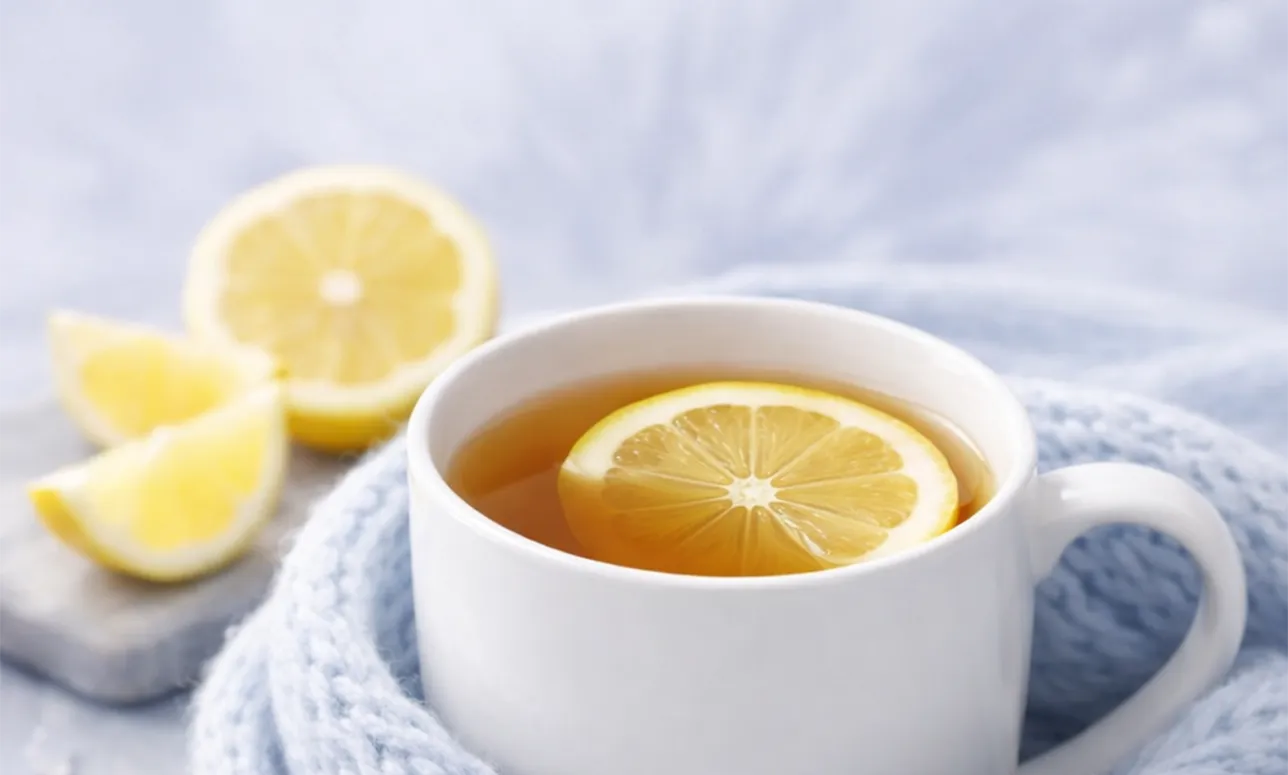
How Much Water Do We Need, When to Drink It, and Why Temperature Matters
Water is simple and essential, yet it has become one of the most overcomplicated wellness topics out there.
We’re told to drink eight glasses a day and track every single one. Drink it ice cold. No, drink it warm or hot. Add lemon. Avoid it during meals. No, drink more during meals. Somewhere along the way, hydration stopped being intuitive and started sounding like a rulebook I never agreed to follow.
I know all health coaches want us to track our water, but I don’t track my water, just like I don’t track my calories or macros.
So I want to talk about water in a way that actually makes sense to me, based on lived experience, basic physiology, and paying attention to how my body responds. I’m writing this down so I can come back to it and remind myself what works for me. As well, if anyone else has ever felt overwhelmed by wellness rules around water, I hope you can relate.
How Much Water Do We Actually Need?
The popular “8 glasses a day” advice is easy to remember, but it isn’t personal. Bodies are not identical, and hydration needs change day to day.
I also won’t be chugging water. People have literally drowned from drinking too much. More is not always better.
For most adults, a realistic guideline is about 2–3 litres of fluid per day, adjusting for activity level, climate, caffeine intake, fasting, and how much water-rich food is being eaten. Some days I need more. Some days less. That’s normal.
What often gets missed in the hydration conversation is this: hydration isn’t just about how much water I drink, it’s about how well my body absorbs it.
I’ve had days where I drank plenty of water and still felt tired and bloated. When that happens, it’s usually not a lack of water but a lack of balance. Minerals, electrolytes, digestion, stress levels, and timing all play a role. Water works best when it’s part of a system, not treated like a magic fix.
When to Drink Water for Better Digestion
Hydration works best when it’s steady rather than aggressive.
I feel best when I drink water consistently throughout the day, focus on hydration between meals, take small sips during meals if I’m thirsty, and resume fuller drinking about 30 to 60 minutes after eating.
Drinking water with meals isn’t harmful. Our stomach acid is strong and resilient. But drinking large amounts, especially cold water, can slow digestion for some people and contribute to bloating or discomfort. This isn’t about restriction. It’s about timing and awareness.
The body prefers cooperation over surprises.
Does Water Temperature Matter?
Yes. It matters more than most people realize.
I have always been a cold-water drinker. I used to get annoyed when people left the water jug out of the fridge at home or at work. Now I don’t even put water in the fridge and most often drink warm or hot water. I am a changed woman, and I will not be going back.
I started learning about Traditional Chinese Medicine, the benefits of warm water, and the potential downsides of cold water on the body. I researched it more deeply, and now I genuinely don’t enjoy drinking cold water anymore.
I was also influenced by my mother. She has a condition called Cold Agglutinin disease. With this disease, she cannot be cold and cannot eat or drink anything cold. If she does not keep herself warm, she ends up in the hospital. She requires blood transfusions because her immune system destroys her red blood cells in response to cold exposure.
Genetics is real. I’ve been anemic in my life and need to be tested again. I’m not interested in taking chances. So yes, this absolutely played a role in my shift toward warmth.
Ancient Chinese Perspectives on Water
Ancient Chinese philosophy has always held water in high regard, not just as something we consume, but as something we learn from.
In the Tao Te Ching, attributed to Laozi, water is described as the highest form of wisdom. Water does not force. It does not compete. It nourishes everything while taking the lowest place.
Traditional Chinese Medicine views cold as something that can dampen the body’s internal fire, particularly digestion. Warmth supports the spleen and stomach, which are responsible for transforming food and fluids into usable energy. From this perspective, constantly drinking cold water is like throwing cold water on a flame.
This mirrors my own experience. Warm or hot liquids feel cooperative in my body. Cold liquids feel disruptive, especially around meals.
Water adapts without losing itself. It flows around obstacles instead of fighting them. Over time, it reshapes even stone. That feels like a lesson worth paying attention to.
Benefits of Warm or Hot Water
Warm and hot liquids have been used in traditional cultures for centuries, not because it was trendy but because it worked.
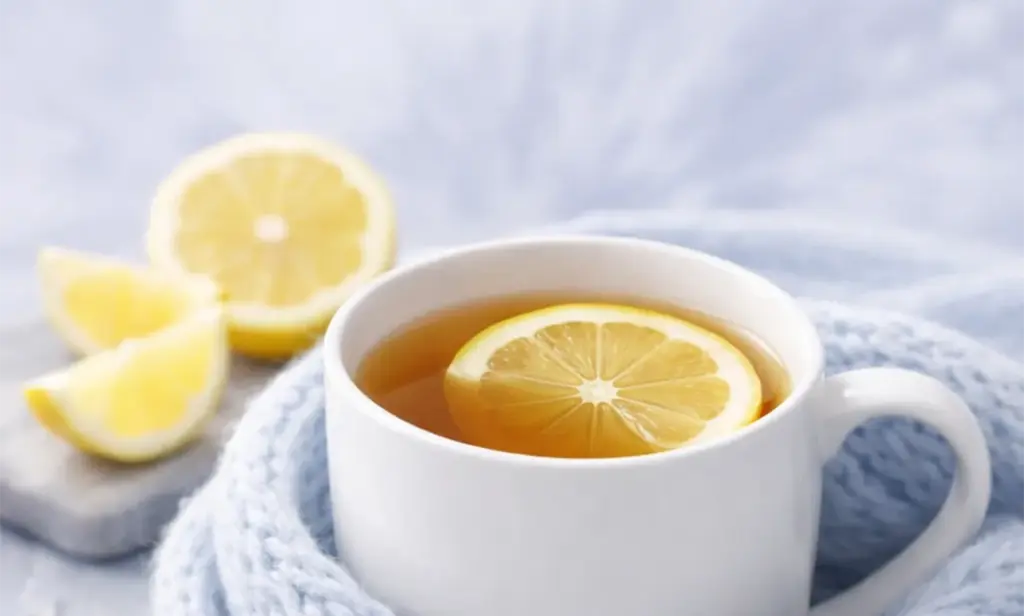
I’ve noticed that warm water, herbal tea, or broth feels easier on digestion, helps reduce bloating, encourages circulation, and calms my nervous system. Warm liquids feel grounding and supportive rather than demanding.
Warm drinks don’t shock the body awake. They invite it to soften. There’s a reason tea feels comforting when I’m tired, stressed, or overwhelmed. Warmth signals safety, and the body responds.
As I’ve gotten older, I’ve learned that not everything needs to be stimulating. Sometimes healing comes from consistency, warmth, and softness, not intensity.
Pros and Cons of Cold Water
Cold water isn’t bad, but it has a very different effect on the body.
Cold water can feel refreshing, increase alertness, and help cool the body in hot conditions. Some people tolerate it well and genuinely prefer it. I used to, too.
However, cold water is stimulating, and stimulation isn’t always helpful, especially around meals. I’ve noticed that cold water can slow digestion, increase bloating or cramping, and feel jarring to the nervous system. It can also feel uncomfortable during or immediately after eating.
Cold water asks the body to adapt. Warm water allows the body to relax.
Drinking Water With Meals: What Actually Works
This topic tends to get unnecessarily dramatic online.
Sipping water with meals is not harmful, but drinking large quantities, particularly ice-cold water, can interfere with comfortable digestion for some people.
What works best for me is hydrating well about an hour before meals, taking small sips during meals if needed, choosing warm or room-temperature liquids while eating, and drinking more freely again once digestion has had time to begin.
No extremes. No guilt. Just listening to my body.
The Best Way to Stay Hydrated
Instead of asking, “How much water should I drink?” and checking boxes on a chart, I’ve learned to ask, “What does my body need right now?”
If I feel bloated, tired, or stressed, warm or hot liquids usually help. If I’m overheated or very active, cooler water may feel better. When I’m eating, gentle sipping works best. I’m not someone who forgets to drink water, but I understand why some people benefit from planning and tracking.
When I eat a lot of fruit, vegetables, and soups, I naturally drink less water. When I’m in the sauna or working out, I naturally drink more water. My body adjusts without me forcing it.
Most people aren’t dehydrated because they don’t know the rules. They’re dehydrated because they’ve stopped paying attention.
Water doesn’t require discipline or punishment. It requires awareness. To me, that still doesn’t mean tracking my water. I don’t want my energy going into planning and monitoring something my body already knows how to do.
Water is patient. It shows up quietly and does the work.
Honestly, that’s the energy I’m aiming for too.
I still have so much to say about water for other blogs.
Disclaimer: This is personal commentary, reflection, and opinion. I don’t fact-check everything, and this is not professional advice. Please verify anything important independently and seek professional advice if needed.
MORE TO READ
EXPLORE MY ARCHIVEs

Let's Stay Connected
I’m building a little community of people growing, healing, rebuilding, and figuring life out in real time.
If you want updates, new posts, behind-the-scenes moments, and reflections I don’t share anywhere else, drop your email below.
Just real life, stories, and the journey as it unfolds.


