

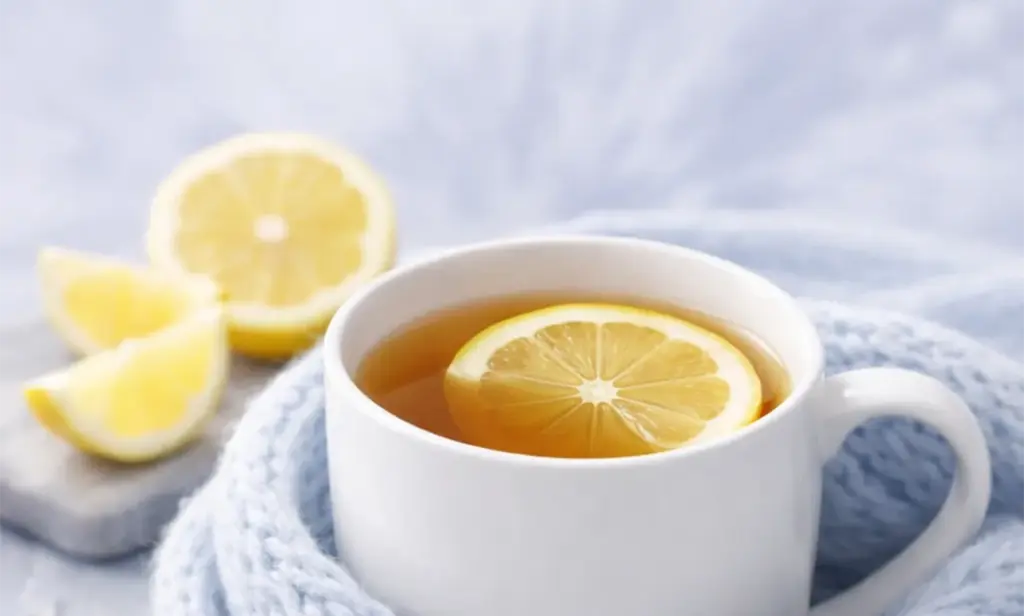
How Much Water Do We Need, When to Drink It, and Why Temperature Matters
Water is simple and essential, yet it has become one of the most overcomplicated wellness topics out there.
We’re told to drink eight glasses a day and track every single one. Drink it ice cold. No, drink it warm or hot. Add lemon. Avoid it during meals. No, drink more during meals. Somewhere along the way, hydration stopped being intuitive and started sounding like a rulebook I never agreed to follow.
I know all health coaches want us to track our water, but I don’t track my water, just like I don’t track my calories or macros.
So I want to talk about water in a way that actually makes sense to me, based on lived experience, basic physiology, and paying attention to how my body responds. I’m writing this down so I can come back to it and remind myself what works for me. As well, if anyone else has ever felt overwhelmed by wellness rules around water, I hope you can relate.
How Much Water Do We Actually Need?
The popular “8 glasses a day” advice is easy to remember, but it isn’t personal. Bodies are not identical, and hydration needs change day to day.
I also won’t be chugging water. People have literally drowned from drinking too much. More is not always better.
For most adults, a realistic guideline is about 2–3 litres of fluid per day, adjusting for activity level, climate, caffeine intake, fasting, and how much water-rich food is being eaten. Some days I need more. Some days less. That’s normal.
What often gets missed in the hydration conversation is this: hydration isn’t just about how much water I drink, it’s about how well my body absorbs it.
I’ve had days where I drank plenty of water and still felt tired and bloated. When that happens, it’s usually not a lack of water but a lack of balance. Minerals, electrolytes, digestion, stress levels, and timing all play a role. Water works best when it’s part of a system, not treated like a magic fix.
When to Drink Water for Better Digestion
Hydration works best when it’s steady rather than aggressive.
I feel best when I drink water consistently throughout the day, focus on hydration between meals, take small sips during meals if I’m thirsty, and resume fuller drinking about 30 to 60 minutes after eating.
Drinking water with meals isn’t harmful. Our stomach acid is strong and resilient. But drinking large amounts, especially cold water, can slow digestion for some people and contribute to bloating or discomfort. This isn’t about restriction. It’s about timing and awareness.
The body prefers cooperation over surprises.
Does Water Temperature Matter?
Yes. It matters more than most people realize.
I have always been a cold-water drinker. I used to get annoyed when people left the water jug out of the fridge at home or at work. Now I don’t even put water in the fridge and most often drink warm or hot water. I am a changed woman, and I will not be going back.
I started learning about Traditional Chinese Medicine, the benefits of warm water, and the potential downsides of cold water on the body. I researched it more deeply, and now I genuinely don’t enjoy drinking cold water anymore.
I was also influenced by my mother. She has a condition called Cold Agglutinin disease. With this disease, she cannot be cold and cannot eat or drink anything cold. If she does not keep herself warm, she ends up in the hospital. She requires blood transfusions because her immune system destroys her red blood cells in response to cold exposure.
Genetics is real. I’ve been anemic in my life and need to be tested again. I’m not interested in taking chances. So yes, this absolutely played a role in my shift toward warmth.
Ancient Chinese Perspectives on Water
Ancient Chinese philosophy has always held water in high regard, not just as something we consume, but as something we learn from.
In the Tao Te Ching, attributed to Laozi, water is described as the highest form of wisdom. Water does not force. It does not compete. It nourishes everything while taking the lowest place.
Traditional Chinese Medicine views cold as something that can dampen the body’s internal fire, particularly digestion. Warmth supports the spleen and stomach, which are responsible for transforming food and fluids into usable energy. From this perspective, constantly drinking cold water is like throwing cold water on a flame.
This mirrors my own experience. Warm or hot liquids feel cooperative in my body. Cold liquids feel disruptive, especially around meals.
Water adapts without losing itself. It flows around obstacles instead of fighting them. Over time, it reshapes even stone. That feels like a lesson worth paying attention to.
Benefits of Warm or Hot Water
Warm and hot liquids have been used in traditional cultures for centuries, not because it was trendy but because it worked.
I’ve noticed that warm water, herbal tea, or broth feels easier on digestion, helps reduce bloating, encourages circulation, and calms my nervous system. Warm liquids feel grounding and supportive rather than demanding.
Warm drinks don’t shock the body awake. They invite it to soften. There’s a reason tea feels comforting when I’m tired, stressed, or overwhelmed. Warmth signals safety, and the body responds.
As I’ve gotten older, I’ve learned that not everything needs to be stimulating. Sometimes healing comes from consistency, warmth, and softness, not intensity.
Pros and Cons of Cold Water
Cold water isn’t bad, but it has a very different effect on the body.
Cold water can feel refreshing, increase alertness, and help cool the body in hot conditions. Some people tolerate it well and genuinely prefer it. I used to, too.
However, cold water is stimulating, and stimulation isn’t always helpful, especially around meals. I’ve noticed that cold water can slow digestion, increase bloating or cramping, and feel jarring to the nervous system. It can also feel uncomfortable during or immediately after eating.
Cold water asks the body to adapt. Warm water allows the body to relax.
Drinking Water With Meals: What Actually Works
This topic tends to get unnecessarily dramatic online.
Sipping water with meals is not harmful, but drinking large quantities, particularly ice-cold water, can interfere with comfortable digestion for some people.
What works best for me is hydrating well about an hour before meals, taking small sips during meals if needed, choosing warm or room-temperature liquids while eating, and drinking more freely again once digestion has had time to begin.
No extremes. No guilt. Just listening to my body.
The Best Way to Stay Hydrated
Instead of asking, “How much water should I drink?” and checking boxes on a chart, I’ve learned to ask, “What does my body need right now?”
If I feel bloated, tired, or stressed, warm or hot liquids usually help. If I’m overheated or very active, cooler water may feel better. When I’m eating, gentle sipping works best. I’m not someone who forgets to drink water, but I understand why some people benefit from planning and tracking.
When I eat a lot of fruit, vegetables, and soups, I naturally drink less water. When I’m in the sauna or working out, I naturally drink more water. My body adjusts without me forcing it.
Most people aren’t dehydrated because they don’t know the rules. They’re dehydrated because they’ve stopped paying attention.
Water doesn’t require discipline or punishment. It requires awareness. To me, that still doesn’t mean tracking my water. I don’t want my energy going into planning and monitoring something my body already knows how to do.
Water is patient. It shows up quietly and does the work.
Honestly, that’s the energy I’m aiming for too.
I still have so much to say about water for other blogs.
Disclaimer: This is personal commentary, reflection, and opinion. I don’t fact-check everything, and this is not professional advice. Please verify anything important independently and seek professional advice if needed.